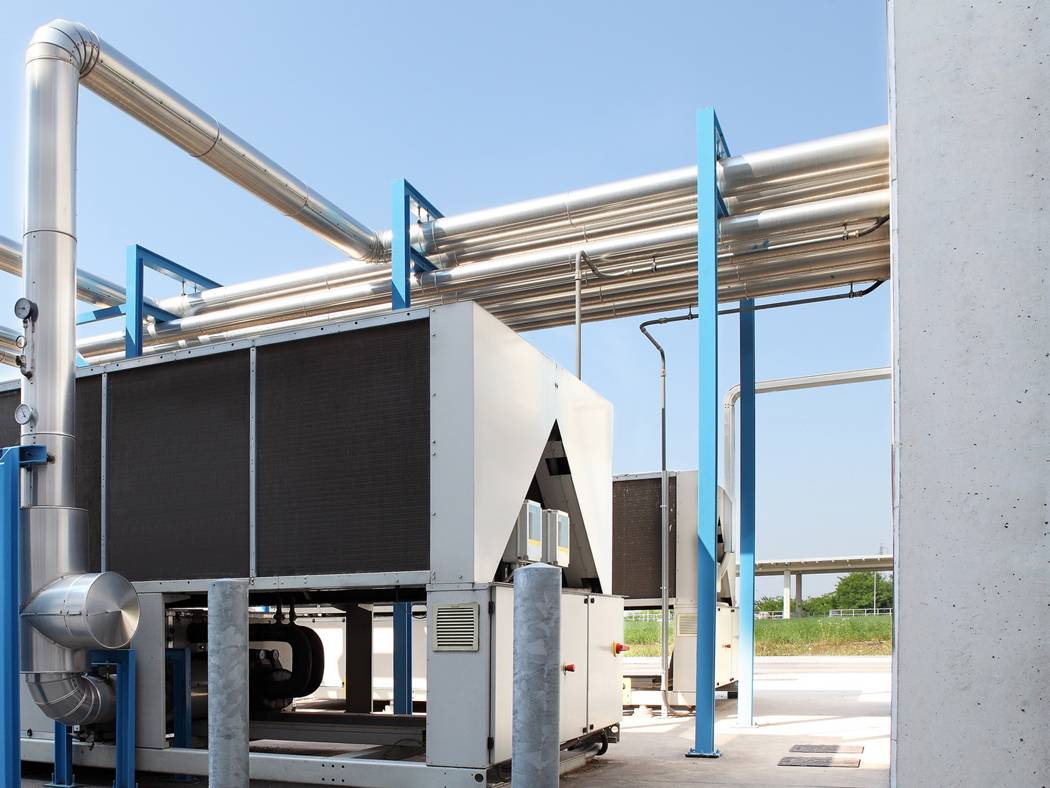
Modern buildings rely heavily on strong HVAC (Heating, Ventilation, and Air Conditioning) infrastructure to ensure comfort, efficiency, and safety for occupants. As architectural designs become more complex and energy regulations stricter, the role of a robust HVAC system becomes increasingly critical. These systems not only regulate temperature but also maintain indoor air quality by controlling humidity levels and filtering pollutants. This is essential in environments where people spend extended periods, such as offices, hospitals, schools, and commercial spaces.
One primary reason modern buildings depend on advanced HVAC infrastructure is the need for precise climate control. Buildings with large glass facades or open floor plans experience significant temperature fluctuations due to external weather conditions. Without a reliable HVAC system capable of rapid adjustments, maintaining consistent indoor temperatures would be impossible. This consistency improves occupant productivity and satisfaction while reducing health issues related to poor air quality or extreme temperatures.
Energy efficiency is another major factor driving learn the key points dependence on sophisticated HVAC setups in contemporary construction. Older heating and cooling methods often waste energy by overcooling or overheating spaces without considering occupancy or external conditions. Modern systems incorporate smart technologies like sensors and automated controls that adjust operation based on real-time data. These improvements reduce utility costs significantly while minimizing environmental impact through lower carbon emissions.
Additionally, ventilation plays a crucial role in preventing the spread of airborne contaminants within enclosed environments. With increased awareness about respiratory illnesses and allergens, proper airflow management has become vital for public health inside buildings. Advanced ventilation components integrated into modern HVAC frameworks help circulate fresh air effectively while removing stale air containing dust particles or harmful microorganisms.
The integration of renewable energy sources also complements strong HVAC infrastructure in new constructions aiming for sustainability certifications such as LEED (Leadership in Energy and Environmental Design). Heat pumps powered by solar panels or geothermal systems work seamlessly with traditional heating elements to provide eco-friendly solutions without compromising performance.
Moreover, maintenance considerations influence the reliance on durable HVAC installations since poorly designed systems can lead to frequent breakdowns causing discomfort and costly repairs. Investing upfront in high-quality equipment ensures long-term reliability alongside easier servicing routines supported by diagnostic software embedded within many current models.
In summary, modern buildings depend on strong HVAC infrastructure because it guarantees optimal thermal comfort, enhances indoor air quality, promotes energy conservation through intelligent design features, supports sustainable practices via renewable integrations, and ensures operational reliability over time-all essential factors contributing to healthier living spaces aligned with today’s architectural demands.