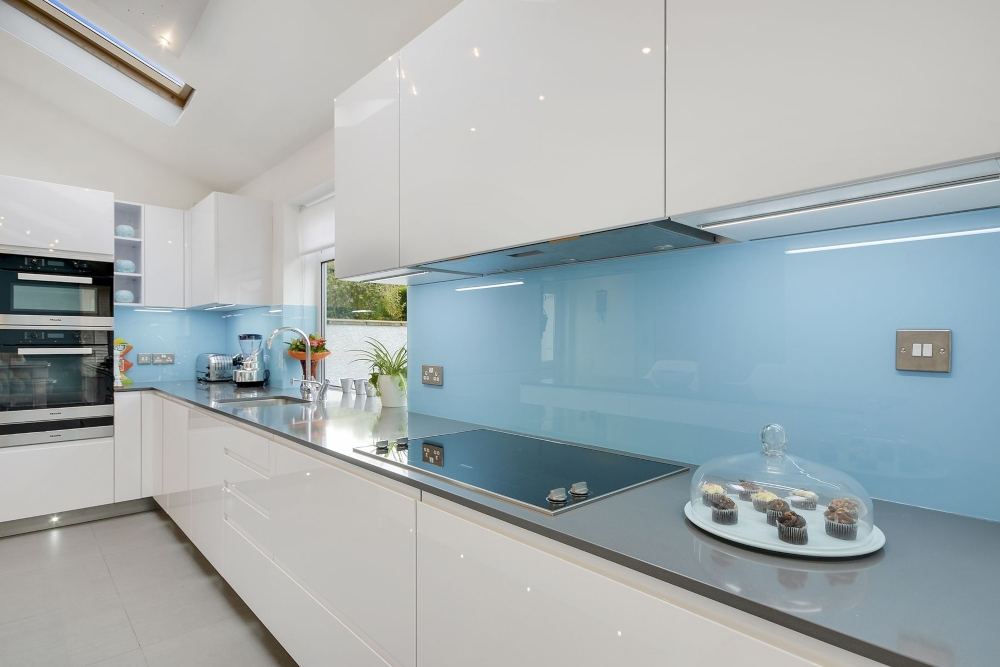
Kitchens and bathrooms serve daily routines where comfort and clarity matter deeply. Visual balance within these areas affects how people feel while cooking, cleaning, or relaxing. Colour selection shapes emotional response without being noticed consciously. Light tones can open compact rooms, while deeper shades create grounded calm. Material finishes interact with colour to enhance reflection and depth. Design solutions such as glass splashbacks newcastle allow colour to remain vibrant while supporting hygiene and durability.
How Colour Shapes Daily Spatial Experience?
Colour affects perception before any fixture is used. Warm shades encourage energy and social interaction in shared spaces. Cooler tones support calmness and focus during personal routines. Visual consistency improves comfort across repeated use. Thoughtful colour planning enhances both function and atmosphere.
Emotional Responses Linked to Common Colours
Different hues influence feeling and behaviour within kitchens and bathrooms. Understanding these responses helps guide smarter design decisions.
- Soft whites promote cleanliness and visual openness in compact interiors
- Muted blues encourage calm routines during morning or evening use
- Earthy greens support balance and natural relaxation throughout spaces
- Warm greys offer neutrality while maintaining modern visual comfort
- Subtle yellows enhance brightness without overwhelming smaller rooms
- Deep charcoals add sophistication when balanced with reflective surfaces
- Pastel tones soften harsh lighting effects in functional zones
- Neutral beiges provide warmth while supporting long-term design flexibility
Material Interaction with Colour Choices
Surfaces influence how colour appears under lighting. Gloss finishes reflect light and intensify hues. Matte textures absorb tone and soften contrast. Material choice affects maintenance and longevity. Balanced combinations improve visual harmony and ease of use.
How Does Colour Psychology Influence Functional Space Comfort?
Comfort grows when colour supports purpose rather than distraction. Kitchens benefit from tones that encourage alertness and cleanliness. Bathrooms respond well to calming palettes that reduce stress.
Colour psychology works best when aligned with lighting and surface finish. Poor combinations cause fatigue or visual clutter. Planning ensures colours support daily habits while enhancing overall spatial experience.
Balancing Trend and Timeless Appeal
Trends influence colour popularity but may fade quickly. Timeless palettes offer lasting satisfaction and flexibility. Accent features allow updates without a full redesign. Balanced planning prevents visual fatigue. Longevity matters in functional environments.
Regional Design Preferences and Material Use
Local design preferences often guide colour selection. Climate, light levels, and lifestyle affect visual choices. Reflective materials support brighter interiors. Installations like glass splashbacks newcastle enhance colour clarity while offering easy maintenance. Regional context shapes successful outcomes.
Colour Application Across Key Zones
Different zones require different colour strategies. Functional areas benefit from clarity, while accent zones allow creativity.
Area
Preferred Colour Style
Visual Effect
Practical Benefit
Kitchen work zones
Light neutrals
Clean and open
Improved visibility
Cooking back walls
Bold accents
Visual interest
Easy cleaning
Bathroom walls
Cool tones
Calm and spacious
Relaxing routines
Vanity surrounds
Soft contrasts
Balanced focus
Reduced glare
Feature panels
Deep hues
Depth and character
Design emphasis
Strategic placement ensures colour enhances function without distraction.
FAQ About Creative Service Expertise
- How does custom art curation influence? Colour harmony within interior environments.
- What role do design firms play in selecting? Colour-led visual installations.
- How curated artwork supports mood? Consistency across functional spaces.
- Why collaboration matters during? Professional custom art curation projects.
- How design firms align colour? Psychology with client lifestyle goals.
- What timelines suit most? Bespoke art curation engagements.
Creating Meaningful Visual Balance
Effective colour planning supports comfort, clarity, and emotional ease. Functional rooms benefit when visual choices match the daily purpose. Materials and lighting refine colour impact over time. Subtle decisions create lasting satisfaction. Colour psychology impact on visual atmosphere within functional kitchen and bathroom areas remains central to designing spaces that feel balanced, practical, and welcoming.