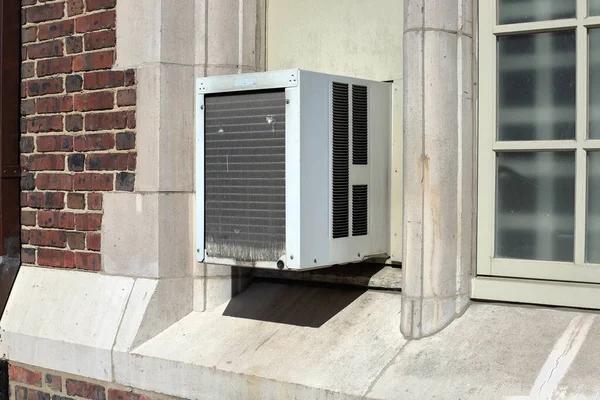
When considering the purchase of a window air conditioner, several important factors should be evaluated to ensure you select a unit that meets your cooling needs efficiently and effectively. The first aspect to consider is the size of the space you intend to cool. Air conditioners are rated by their cooling capacity in British Thermal Units (BTUs), and choosing the right BTU rating is crucial. A unit with too low a capacity will struggle to cool the room, while one that is too powerful may cycle on and off frequently, wasting energy and reducing comfort. Measuring your room’s square footage accurately will help determine the appropriate BTU range for optimal performance.
Energy efficiency is another critical factor when buying a Window Air Conditioner. Look for models with an Energy Efficiency Ratio (EER) or Seasonal Energy Efficiency Ratio (SEER) rating, which indicate how much cooling output you get per unit of electricity consumed. Higher ratings mean better efficiency and lower operating costs over time. Many units also carry the ENERGY STAR label, signifying they meet strict energy-saving guidelines set by regulatory agencies.
Installation requirements should also influence your decision. Window air conditioners come in various sizes designed for different window types and dimensions, so it’s essential to measure your window opening before purchasing. Some models fit standard double-hung windows, while others are designed for sliding windows or casement styles. Additionally, consider whether you want a model with easy installation features such as adjustable side panels or included mounting hardware.
Noise level can significantly impact comfort when using a window air conditioner, especially if it will be installed in bedrooms or study areas where quietness matters most. Manufacturers often provide noise ratings measured in decibels; selecting a quieter model helps maintain peace without compromising cooling power.
Additional features might enhance convenience and usability depending on personal preferences and lifestyle needs. Programmable timers allow users to set operating hours automatically, helping save energy during unoccupied periods. Remote controls add ease of use from across the room, while built-in air filters improve indoor air quality by trapping dust particles.
Lastly, consider durability and warranty coverage before making your final choice. A reliable brand reputation combined with solid customer support ensures long-term satisfaction with your investment in climate control equipment.
By carefully assessing these elements-room size compatibility, energy efficiency standards, installation suitability, noise considerations, useful features, as well as durability-you can confidently select a window air conditioner tailored perfectly to your environment and preferences without unnecessary expense or hassle.