Category: Product

  • Essential Features of Reliable Commercial Refrigeration

    Essential Features of Reliable Commercial Refrigeration

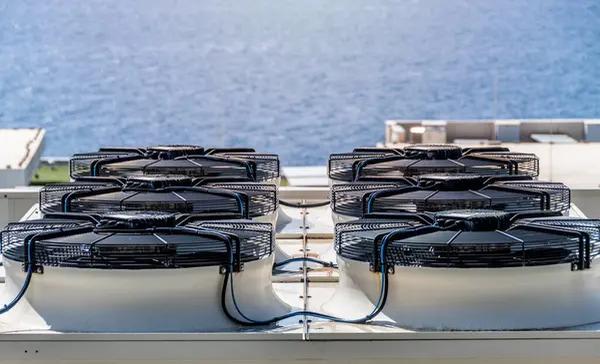
    Reliable commercial refrigeration is a critical component for businesses that depend on consistent temperature control to preserve perishable goods, maintain food safety standards, and ensure operational efficiency. The essential features of dependable commercial refrigeration systems are designed to meet these demands while offering durability and ease of use. One key aspect is precise temperature control. Accurate thermostats and sensors enable the system to maintain stable temperatures within narrow ranges, preventing spoilage and ensuring compliance with health regulations. This precision reduces energy consumption by avoiding unnecessary cooling cycles, which also extends the lifespan of the unit.

    Another important feature is robust construction using high-quality materials that withstand rigorous daily use in busy commercial environments. Stainless steel interiors and exteriors are common due to their corrosion resistance, ease of cleaning, and hygienic properties. Insulation quality plays a significant role as well; thick insulation panels minimize heat transfer from outside air into refrigerated compartments, improving energy efficiency and helping maintain consistent internal conditions even during frequent door openings.

    Efficient airflow management inside the unit promotes uniform cooling throughout all shelves or storage areas. Commercial refrigerators often incorporate strategically placed fans or vents to circulate cold air evenly so no section experiences temperature fluctuations that could compromise stored products. Additionally, reliable refrigeration systems include advanced defrost mechanisms such as automatic defrost cycles or hot gas defrost technology to prevent frost buildup on evaporator coils without interrupting normal operation.

    Energy efficiency is another vital characteristic because Commercial Refrigeration units typically operate continuously for extended periods. Modern models employ environmentally friendly refrigerants with low global warming potential alongside energy-saving compressors and variable-speed motors that adjust performance based on demand rather than running at full capacity constantly. These innovations reduce operating costs while aligning with sustainability goals.

    User-friendly controls enhance reliability by allowing operators simple access to settings like temperature adjustments or alarm thresholds without complicated procedures. Digital displays provide clear information about current conditions inside the refrigerator along with alerts if temperatures deviate from safe limits, facilitating quick responses before product quality suffers.

    Maintenance accessibility also contributes significantly to reliability; components such as condensers, filters, and fans should be easy to reach for routine cleaning or replacement tasks that prevent breakdowns over time. Finally, strong warranties backed by reputable manufacturers offer peace of mind regarding long-term performance and support.

    In summary, reliable commercial refrigeration relies on accurate temperature regulation, sturdy construction with effective insulation, efficient airflow distribution, modern defrost systems, energy-efficient technologies including eco-friendly refrigerants and smart compressors, user-centric controls paired with clear monitoring capabilities as well as straightforward maintenance access supported by solid manufacturer guarantees-all crucial elements ensuring optimal functionality in demanding professional settings.

  • What to Look for Before Buying a Window Air Conditioner

    What to Look for Before Buying a Window Air Conditioner

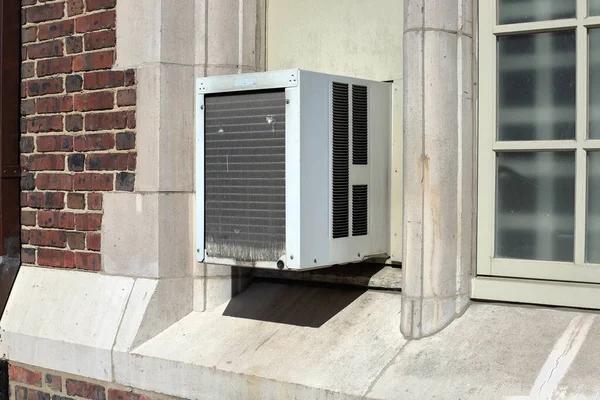
    When considering the purchase of a window air conditioner, several important factors should be evaluated to ensure you select a unit that meets your cooling needs efficiently and effectively. The first aspect to consider is the size of the space you intend to cool. Air conditioners are rated by their cooling capacity in British Thermal Units (BTUs), and choosing the right BTU rating is crucial. A unit with too low a capacity will struggle to cool the room, while one that is too powerful may cycle on and off frequently, wasting energy and reducing comfort. Measuring your room’s square footage accurately will help determine the appropriate BTU range for optimal performance.

    Energy efficiency is another critical factor when buying a Window Air Conditioner. Look for models with an Energy Efficiency Ratio (EER) or Seasonal Energy Efficiency Ratio (SEER) rating, which indicate how much cooling output you get per unit of electricity consumed. Higher ratings mean better efficiency and lower operating costs over time. Many units also carry the ENERGY STAR label, signifying they meet strict energy-saving guidelines set by regulatory agencies.

    Installation requirements should also influence your decision. Window air conditioners come in various sizes designed for different window types and dimensions, so it’s essential to measure your window opening before purchasing. Some models fit standard double-hung windows, while others are designed for sliding windows or casement styles. Additionally, consider whether you want a model with easy installation features such as adjustable side panels or included mounting hardware.

    Noise level can significantly impact comfort when using a window air conditioner, especially if it will be installed in bedrooms or study areas where quietness matters most. Manufacturers often provide noise ratings measured in decibels; selecting a quieter model helps maintain peace without compromising cooling power.

    Additional features might enhance convenience and usability depending on personal preferences and lifestyle needs. Programmable timers allow users to set operating hours automatically, helping save energy during unoccupied periods. Remote controls add ease of use from across the room, while built-in air filters improve indoor air quality by trapping dust particles.

    Lastly, consider durability and warranty coverage before making your final choice. A reliable brand reputation combined with solid customer support ensures long-term satisfaction with your investment in climate control equipment.

    By carefully assessing these elements-room size compatibility, energy efficiency standards, installation suitability, noise considerations, useful features, as well as durability-you can confidently select a window air conditioner tailored perfectly to your environment and preferences without unnecessary expense or hassle.

  • Tips to choose the right harp guitar for your style

    Tips to choose the right harp guitar for your style

    Choosing the right harp guitar to match your playing style involves careful consideration of several factors that influence both sound and comfort. A harp guitar is a unique instrument combining elements of a traditional guitar with additional unstopped strings, often bass or sympathetic strings, which can enhance musical expression. Understanding how these features align with your personal technique and musical goals is essential for making an informed decision.

    First, consider the number and type of additional strings on the harp guitar. Some models have extra bass strings that extend the lower range, providing deep resonance suitable for fingerstyle players who incorporate complex bass lines into their music. Others include sympathetic or treble strings designed to add shimmering overtones, appealing to those who favor ambient or experimental sounds. Identifying which tonal qualities you want will help narrow down choices between extended-range instruments and those emphasizing harmonic richness.

    Next, evaluate the body shape and size as they significantly affect playability and tone. Larger bodies generally produce fuller, warmer sounds but may be cumbersome for smaller players or those accustomed to more compact guitars. Conversely, smaller-bodied harp guitars offer greater comfort during long sessions but might sacrifice some low-end depth. The neck profile also matters; wide necks accommodate intricate fingerpicking yet require hand strength and dexterity, while narrower necks facilitate faster chord changes but limit string spacing options.

    Material selection plays a crucial role in defining the instrument’s voice. Different woods resonate differently; spruce tops are known for clarity and brightness ideal for articulate playing styles, whereas cedar offers warmth suited to mellow tones. The choice of tonewoods used in back and sides further influences sustain and projection levels-mahogany tends toward punchy midrange frequencies while rosewood provides rich overtones with enhanced complexity.

    Another important aspect is tuning versatility since many harp guitars allow custom tunings on their sub-bass strings independent from standard guitar tuning. If your style involves frequent retuning or alternate scales, look for models featuring adjustable bridges or tailpieces designed specifically for ease of tuning stability across multiple configurations.

    Finally, consider ergonomics related to string action height and bridge placement because these impact comfort during prolonged use as well as intonation accuracy across all registers including extended bass notes. Testing various instruments by playing familiar pieces helps assess whether a particular harp guitar feels natural under your fingers while delivering desired sonic characteristics without excessive effort.

    By carefully matching design elements such as string configuration, body construction, materials chosen, tuning flexibility alongside ergonomic considerations with your individual preferences and technical approach you can find a harp guitar that not only complements but enhances your artistic expression effectively over time.