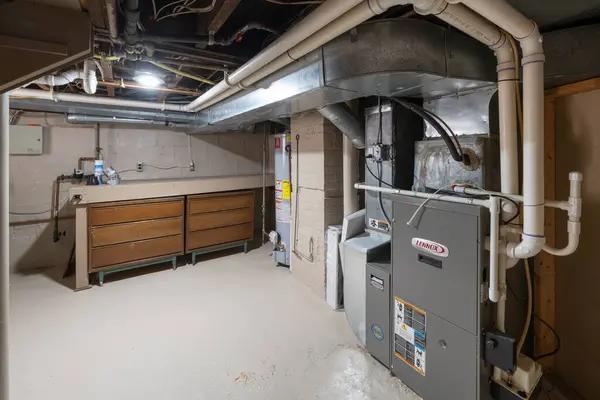
As the colder months approach, ensuring the proper functioning of your furnace becomes crucial. A failing furnace not only compromises comfort but can also pose safety risks and lead to costly repairs if not addressed promptly. Understanding the common warning signs of a failing furnace can help homeowners take timely action, potentially extending the life of their heating system and maintaining a warm home environment.
One of the most noticeable signs that your furnace may be failing is inadequate heat production. If you find that some rooms are warmer than others or that your home never seems to reach the desired temperature, it could indicate that your furnace is struggling to distribute heat efficiently. This inconsistency might stem from issues such as clogged filters, malfunctioning thermostats, or more severe mechanical problems within the unit itself.
Another indicator is an unusual increase in energy bills without a corresponding rise in usage. As furnaces age and components wear down, they often have to work harder to produce the same amount of heat, leading to higher energy consumption. If you notice a significant spike in your heating costs compared to previous years, it may be time for a professional inspection.
Strange noises emanating from your furnace can explore website also signal trouble. While it’s normal for furnaces to make some noise when operating, loud banging, rattling, or squealing sounds are typically abnormal and suggest mechanical issues like loose components or motor problems. Ignoring these sounds can lead to further damage over time.
Frequent cycling on and off is another red flag indicating potential failure. A properly functioning furnace should cycle at regular intervals; however, short cycles could mean overheating due to restricted airflow or thermostat malfunctions. Not only does this affect efficiency but also accelerates wear on parts due to constant starting and stopping.
A yellow pilot light instead of blue indicates improper gas combustion which might suggest carbon monoxide presence—a serious health hazard requiring immediate attention from professionals who specialize in HVAC systems maintenance services capable enough for handling such critical situations safely while ensuring optimal performance levels post-repair works completion phase successfully achieved overall too!
Finally yet importantly still worth mentioning here today now: poor air quality indoors! Dust accumulation around vents/grilles/registers accompanied by increased allergy symptoms among household members hints towards dirty ductwork necessitating cleaning efforts soonest possible before matters worsen further unnecessarily risking everyone’s wellbeing unnecessarily longer than needed already unfortunately indeed sadly alas!